Emergencies hardly ever unfold neatly. Fire alarms audio during a client call. Smoke leaks right into a hallway throughout a shift change. The lift stalls between floors while the evacuation is underway. The people that make those minutes safer are wardens who have educated, exercised, and learned just how to operate under pressure. If you will start an emergency warden course, or you are deciding in between options, this checklist gives you the essentials to search for, the standards behind the training, and the lived details that divide a strong warden from a name on a roster.
The function of warden training, stripped back
A warden's work is not to combat the fire. Your objective is to relocate people from risk to safety and to feed trustworthy details to those who require it, quick. That may suggest brushing up a smoke-logged stairwell with a lantern and a handheld radio, or it might mean stopping a well-meaning coworker from returning to the building to gather a bag. The skills are basic theoretically, yet in practice they demand profundity and a steady voice.
Most Australian offices construct their programs around the PUA Public Safety training package. Both core units that matter for wardens are:
- PUAFER005 operate as part of an emergency situation control organisation, frequently called the "warden course." PUAFER006 lead an emergency situation control organisation, normally the "chief warden course."
The first concentrates on private functions within the Emergency situation Control Organisation, typically shortened to ECO. The second trains leaders to work with that team when occasions escalate.
Where PUAFER005 fits
The PUAFER005 course instructs just how to operate as component of an emergency control organisation. In a sensible feeling, you learn just how to reply to alarm systems, use warden communication channels, initiate and manage discharges in your location, finish a systematic area sweep, control assembly points, and report conditions to the chief warden. You also discover to use the emergency situation prepare for your certain site, not simply a common building.
An excellent PUAFER005 course surpasses showing a set of slides with discharge representations. Expect circumstances that require decisions: whether to relocate to a haven area when the departure stairway is compromised, how to prioritise an individual with low flexibility on a jampacked flooring, or when to make use of a partial discharge rather than a full structure clearance. If your trainer has functional experience, they will certainly worry that wardens should be predictable for others: state what you are doing, do what you say, and report back quickly.
Where PUAFER006 fits
The PUAFER006 lead an emergency control organisation unit is designed for primary wardens and replacements. It covers exactly how to evaluate hazards, initiate the emergency action, handle ECO roles, communicate with emergency solutions, and make the telephone call on discharge techniques. As a chief warden you will puafer006 course work with fire wardens, flooring wardens, initially aiders, and interactions police officers. The training should leave you comfortable with command, also when the details is partial or contradictory.
Look for a PUAFER006 course that forces you to handle online injects: alarm systems that transform mid-scenario, radios that fail, occupants that do not adhere to directions, or two simultaneous cases. In the field, those conditions are regular. A solid chief warden keeps a psychological design of the incident, updates it quickly, and connects clearly.
The criterion that underpins everything
AS 3745 Planning for emergency situations in facilities establishes the structure for the ECO, including duties, obligations, training regularity, and workouts. Training courses constructed around PUAFER005 and PUAFER006 should reference AS 3745 regularly and interpret it for your work environment: a retail shopping mall has various discharge sets off than an information facility, and a college has various difficulties than a storehouse with dangerous items. If your fitness instructor can not explain just how the basic applies to your site, you will certainly leave with concept that may not stick during a genuine event.
Roles inside the ECO
Most work environments appoint a chief warden, replacement chief warden, interactions officer, and flooring or area wardens. Some sites add first aid police officers and specialised roles for plant spaces or risky areas. As a fire warden, your area is your obligation throughout an emergency situation. You inspect your area, take care of the owners, direct the evacuation path, and guarantee the area is clear. The chief warden collects those location updates and guides the overall motion, including hosting, passes on to the fire brigade, and choices about re-entry.
It appears ordered due to the fact that it is, however great ECOs function as teams that share context. Floor wardens require to know the chief warden's intent. The principal requires truthful reports from wardens concerning challenges, flexibility needs, and hazards.
Colour of hats and why it matters
Colours are a shorthand to minimize friction. They aid occupants and responders quickly recognize the right person. While colours can range organisations, one of the most usual convention in Australia is:
- Chief warden: white helmet or hat. Individuals typically ask what colour helmet a chief warden puts on, and white continues to be the regular option for rapid recognition. Communications policeman: white with an identifying red stripe or label, or occasionally yellow depending on local policy. Floor or area warden: yellow hat. Wardens educated for particular risks or first aid: red or green, again depending on website policy and labelling.
A course must not only show the palette but also clarify exactly how to make presence work. I have seen a chief warden walk past 3 evacuees searching for assistance because their white headgear was in a cabinet. If your duty requires a hat or vest, keep it obtainable and labelled. High exposure issues in smoke, reduced light, and crowded stairwells.
Fire warden training demands that in fact hold under pressure
Compliance language tends to blur the practical fact. Below is what stands up when the alarm system seems. You require:
- Familiarity with the building's fire safety features, not just the map. That indicates you understand which stairwell has a tendency to full of smoke first, which doors get on postponed egress, and which sanctuary locations are viable if a lift falls short throughout a partial evacuation. A routine for your first 90 secs: accumulate your equipment, examine the panel or flooring indicator, announce your existence, and begin a move of your location in a set pattern. Training needs to develop that muscle memory. Communication self-control. Short radio calls with location, status, and action. For example, "Level 10 eastern, heavy smoke at printer area, beginning sweep to north stairway, two PWD at the lobby." Judgment to switch approaches. If a typical discharge route is blocked, you have to choose one more, guide individuals comfortably, and report the change to the principal warden.
If your program glosses over any of these, ask for site-based drills. Reviewing a plan shows recognition, not performance.
The standard: fire warden requirements in the workplace
Most workplaces document the number of wardens needed per location, frequently using a ratio. Numbers differ by risk profile. I have actually seen one warden per 20 personnel in open-plan office floors, and one per 10 in intricate health care or assembly occupancies. Whatever policy your website embraces, it has to be backed by a roster that covers leave, shifts, and out-of-hours occupancy. You need to check that brand-new hires are contributed to the ECO, that departures are changed, which get in touch with lists are current.
Training frequency is another point of failing. PUAFER005 and PUAFER006 are not one-and-done. Industry method is annual refresher training with a minimum of two discharge exercises each year, plus targeted drills for after-hours personnel. Fire warden training requirements might likewise consist of technique for details threats, like lithium battery fires in warehousing, warm works near combustible cladding, or labs with combustible solvents. Connect your exercises to your hazards.
What a strong emergency warden course covers
Good programs start with the emergency strategy and completed with drills that feel uneasy. Expect to see:
- Site-specific alignment. Where the fire indicator panel is, who can separate air handling, where hydrants and pipe reels sit, and just how to report to emergency services. Role clarity. PUAFER005 students technique brushes up, assisting individuals with a special needs, making use of refuge areas, regulating doors, and taking care of assembly points. PUAFER006 learners technique circumstance command, including shifts from alert to leave and from leave back to investigate. Communication abilities. Every person techniques radio brevity and hand signals when radios stop working. In a noisy stairwell, hand signals frequently lug far better than voice. Usage both. Human actions in fire. Individuals postpone discharge to gather personal belongings, seek peers to verify what they ought to do, and adhere to acquainted paths also when a more secure route is more detailed. Recognizing this assists you expect crowd movement and bottlenecks. Post-incident actions. Head counts, injury logs, handover to fire solutions, and organized debriefs. Your reputation depends on tidy, timely information.
The certain value of PUAFER005 training
PUAFER005 run as component of an emergency control organisation is the structure. For students, the unit clarifies your scope so you stop attempting to do everything and start doing your work well. That consists of shutting doors to starve a fire of oxygen, routing individuals to the nearest secure exit, avoiding re-entry, and reporting accurately.
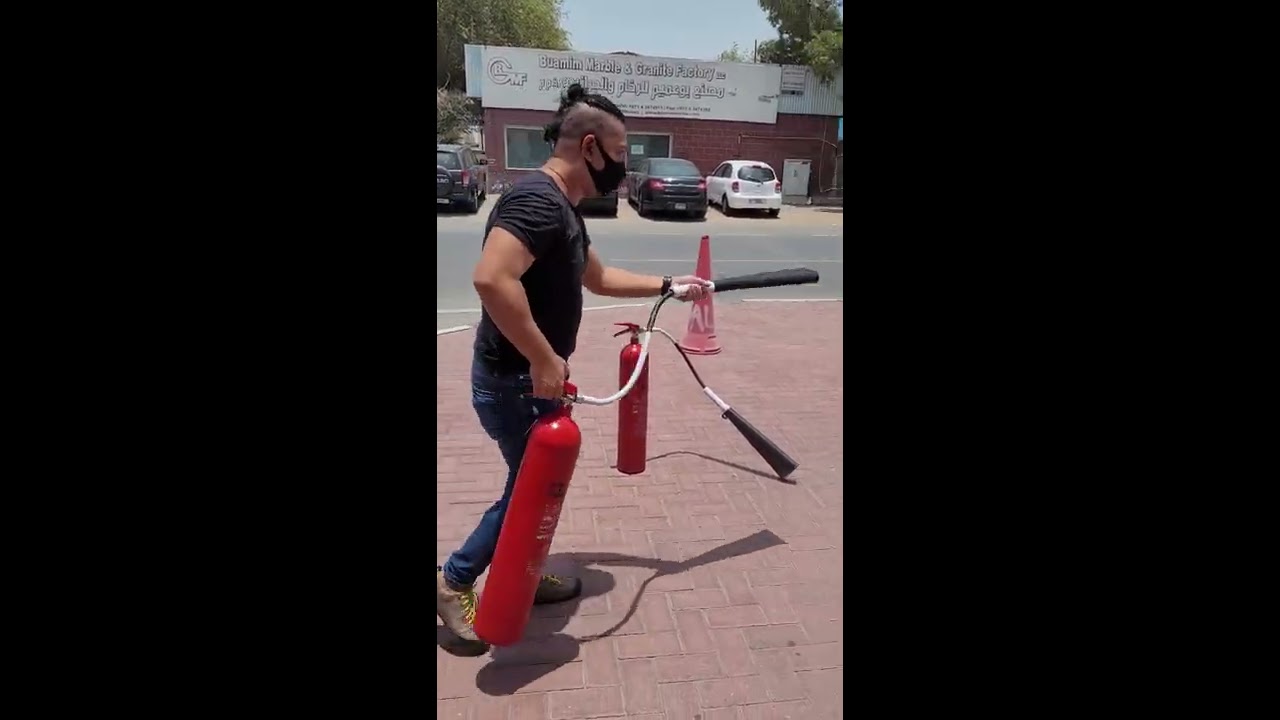
An information that trainees usually miss: you do not need to know just how to combat a fire to be a good warden, but you should recognize extinguishers, tube reels, and fire coverings so you do not make a risk worse. For example, utilizing a water extinguisher on a lithium battery pack or electrical cabinet can jeopardize others. A skilled course will demonstrate the difference between isolating the location and trying to snuff out, and the thresholds for each.
The management emphasis in PUAFER006
The PUAFER006 lead an emergency control organisation device prepares you to choose under uncertainty. You will certainly review partial alarm systems, sensor activations, witness reports, and visible smoke. You select in between an investigatory feedback, an organized discharge, or a full evacuation, understanding that altering direction has expenses. Chief warden responsibilities consist of appointing wardens to areas, keeping an eye on progression, coordinating with safety and security and structure monitoring, and keeping interaction lines open with the fire brigade.
One chief fire warden task that obtains overlooked is well-being. Evacuations produce susceptible individuals. You must allot someone to keep an eye on those waiting in sanctuary locations, arrange support for individuals with impairments or injuries, and maintain order at the assembly factor when climate or stress breaks down the team. The very best principal wardens share transmission capacity: they appoint a replacement to run the board and an interactions policeman to keep documents and timestamps.
The safety helmet colour argument for primary wardens
You will certainly hear different solution to the question, what colour helmet does a chief warden wear. White stays the most common in Australia, including for chief fire wardens throughout workplaces, commercial sites, and health care. Some sites add a prominent "Chief Warden" label or a contrasting band for quick identification. Uniformity within the site matters more than national uniformity. The practice that functions finest is pairing the chief warden hat colour with a vest that repeats the function title front and back. Visibility saves seconds, and secs matter.
Practical equipment you actually use
The toolkit for wardens is easy, mobile, and robust. Radios that your whole ECO recognizes just how to run. A torch with fresh batteries. A whistle for when alarms drown out your voice. Door wedges or tape made use of deliberately to handle flow without compromising fire doors. A printed listing of owners or access to an electronic roll. High-visibility hat or vest that matches your role. If your building utilizes personal emergency situation evacuation prepare for specific passengers, bring the summary.
I have seen wardens stuck at the assembly point with a dead radio and no roster. That is avoidable. Your emergency warden course need to cover equipment checks and establish a pre-shift routine where someone validates radios, spares, and the get in touch with list.
Special circumstances that are worthy of practice
Not every emergency situation is a single-storey office evacuation on a sunny day. Plan and train for:
- After-hours or reduced tenancy occasions, where one warden might be in charge of several floors. Construction stages, when exits change and short-term fire doors show up. Wardens must understand the existing strategy, not last month's. Mobility and health requirements. Lifts continue to be out-of-bounds in many fire situations. Exercising with emptying chairs or sanctuary areas lowers improvised, high-risk choices. Shelter in position, especially for gas leaks, outside hazards, or air top quality dangers. Not every alarm implies movement. A strong chief warden course will certainly go for least one shelter scenario. Concurrent cases, such as a little fire on one degree and a clinical emergency situation at the assembly point. The chief warden function splits attention. Without a deputy, this ends up being hard to manage.
Evidence-based training beats checkbox training
People remember what they do, not what they listened to. Fire warden training courses that depend on lectures alone will certainly not develop performance. Seek companies that run live drills, make use of smoke machines or simulated alarms, examination radio self-control, and generate debrief notes with clear activities. A reliable warden course will refer to your emergency situation strategy and upgrade it when drills expose gaps. If a drill shows your assembly point is downwind of a likely smoke path, transform it and inform the ECO.
Fire warden course evaluation that feels real
Assessment for PUAFER005 and PUAFER006 need to consist of efficiency in reasonable scenarios, not only quizzes. You should be analyzed on just how you move an area, exactly how you control exits and interact, and just how you manage curveballs. Assessors will normally see whether you check high-risk rooms like shower rooms and storage space, whether you manage laggers, and whether your handover to the chief warden includes critical details.
On the leadership side, a chief warden analysis ought to determine just how you develop an usual operating photo: what you recognize, what you think, and what you still require to validate. It ought to test your capability to assign tasks, escalate to emergency situation solutions, keep safety for wardens, and take care of the shift from emergency situation to recovery.
The legal and insurance layer
While training has to do with efficiency, there is a conformity background. Several insurance firms search for evidence of normal emergency warden training, discharge exercises, and documented debriefs. Some jurisdictions require training at specified periods, especially for high-occupancy or risky sites. Your warden training assists show that your office has competent individuals in control, which can lower liability and reinforce your setting if a case is examined. Maintain documents: attendance sheets, circumstance describes, timings, and photos of assembly points include reputation to your documentation.
Workplace society makes or breaks the ECO
Even the best-trained wardens fail if the society treats alarm systems as history noise. Leaders ought to back wardens, not bypass them. If a chief warden orders an emptying, monitoring must design compliance. If your workplace has routine duds, do not allow cynicism hold. Make use of those occasions to practice, review what need to have happened, and improve your procedure. A society that respects wardens conserves time throughout actual emergencies.
I collaborated with a website where the chief emergency warden wore a white vest, not a hat, and carried a laminated card with decision prompts. They were known to team and valued. Their discharges were peaceful, quick, and consistently recorded. The difference was not gear. It was repeating, clear authority, and trust.

The training course that stays current
New wardens start with PUAFER005. Those entering management take the PUAFER006 course. Past that, aim for refresher courses yearly, with additional drills after any kind of strategy change, restoration, or substantial staff turn over. If your website has risen threats, add targeted components: battery storage fires, chemical spills, or crowd activity characteristics for public events.
Chief warden training should consist of prepared handovers to deputies, that can run an event if the chief is offsite. The most effective groups cross-train, so an interactions officer can step into deputy functions if required.
Your pre-course checklist
Use this quick list to prepare and select well:
- Confirm the program maps to PUAFER005 or PUAFER006 as appropriate, and referrals AS 3745 in such a way that fits your site. Ask concerning situations and assessment. Seek online drills, duty play, and debriefs that produce written actions. Ensure website specifics are included: evacuation representations, stairwell locations, refuge locations, setting up factors, and high-risk rooms. Check trainer qualifications and industry experience, not simply their capacity to provide content. Verify post-course support. Good service providers offer refresher choices, design templates for emergency strategies, and assistance on exercises.
What excellent looks like on the day of the alarm
You listen to the tone and your body relocations prior to your mind captures up. You gather your radio and hat, you determine on your own, and you head to your market. You follow your collection pattern, eyes scanning for stragglers, you close doors behind you to limit smoke spread, and you herd the team smoothly to the picked leave. At the assembly area you count heads, log information, and record to the chief warden. If the chief asks for an additional moving because of wind shift, you relocate the team and maintain them with each other. When the fire brigade arrives, you give a succinct upgrade and wait for re-entry instructions.
On the management side, you inspect the panel, reveal that you are in command, verify networks, and appoint wardens. You telephone on emptying kind based upon the details you have, and you readjust as records come in. You coordinate the communications police officer to log occasions and skills necessary for chief fire wardens times. You liaise with emergency situation solutions with a tidy recap: location, type of hazard, standing of discharge, any type of missing individuals, any wheelchair or medical problems. After the event, you debrief, update your strategy, and routine a refresher drill based upon what you learned.
Frequently asked inquiries that matter throughout training
- Can a warden stop somebody from coming back? You can and should, making use of clear guidelines and, if needed, assistance from protection or administration. You do not physically restrain, but you insist authority backed by the emergency situation plan. Are lifts ever before utilized throughout an evacuation? For fire occasions, typically no, unless your building has an emptying lift designed for that function and your strategy authorises its use by skilled workers. For various other emergency situations, the plan may allow lifts. Training ought to make the distinctions explicit. How loud should a warden be? Audible to be heard without yelling on your own hoarse. Brief commands work. Repetition assists. Radios and whistles supplement your voice. How do we take care of site visitors and professionals? Your plan ought to consist of site visitor logs at reception, short-lived passes, and a procedure for wardens to move meeting rooms and features. Designate a person at the assembly area to gather and confirm visitor counts. What if the warden is offsite? Use deputies and an insurance coverage roster. At multi-tenant websites, work with building monitoring to make certain there is constantly a chief warden or deputy available.
Pulling it with each other: from program to competence
Courses like the PUAFER005 course for wardens and the PUAFER006 course for primary wardens are the scaffolding. Real capability comes from rep, regional knowledge, and a group that depends on the procedure. If you are selecting a warden course, look past the pamphlet to the circumstances and the fitness instructor's experience. If you are preparing to go to, discover your building, stroll your departures, and ask to join the next drill even before your course. Knowledge that sits in your head aids. Knowledge that beings in your legs and hands assists more.
A well-run emergency warden program keeps people tranquil when alarm systems cut through the workday. Whether you use a yellow hat as a fire warden or the white headgear of a chief warden, your selections influence dozens or thousands of people. Train like that issues, due to the fact that it does.
Take your leadership in workplace safety to the next level with the nationally recognised PUAFER006 Chief Warden Training. Designed for Chief and Deputy Fire Wardens, this face-to-face 3-hour course teaches critical skills: coordinating evacuations, leading a warden team, making decisions under pressure, and liaising with emergency services. Course cost is generally AUD $130 per person for public sessions. Held in multiple locations including Brisbane CBD (Queen Street), North Hobart, Adelaide, and more across Queensland such as Gold Coast, Sunshine Coast, Toowoomba, Cairns, Ipswich, Logan, Chermside, etc.
If you’ve been appointed as a Chief or Deputy Fire Warden at your workplace, the PUAFER006 – Chief Warden Training is designed to give you the confidence and skills to take charge when it matters most. This nationally accredited course goes beyond the basics of emergency response, teaching you how to coordinate evacuations, lead and direct your warden team, make quick decisions under pressure, and effectively communicate with emergency services. Delivered face-to-face in just 3 hours, the training is practical, engaging, and focused on real-world workplace scenarios. You’ll walk away knowing exactly what to do when an emergency unfolds—and you’ll receive your certificate the same day you complete the course. With training available across Australia—including Brisbane CBD (Queen Street), North Hobart, Adelaide, Gold Coast, Sunshine Coast, Toowoomba, Cairns, Ipswich, Logan, Chermside and more—it’s easy to find a location near you. At just $130 per person, this course is an affordable way to make sure your workplace is compliant with safety requirements while also giving you peace of mind that you can step up and lead when it counts.